Herb Corner Window Gable Box: 3D SVG Shapes Review
When a client approaches me with a request for artisanal packaging that needs to stand out on a crowded shelf or at a local farmers' market, my first instinct is to look for structural elegance combined with functional transparency. Recently, while developing a brand identity for a small-batch organic tea company, I evaluated the Herb Corner Window Gable Box Template as a potential cornerstone for their product line. This isn't just a simple cut file; it is a sophisticated graphic design asset that bridges the gap between digital precision and tactile experience. My initial impression was one of refined utility. The design exudes a mood of rustic sophistication, perfectly suited for handmade businesses that rely on visual trust and perceived value.
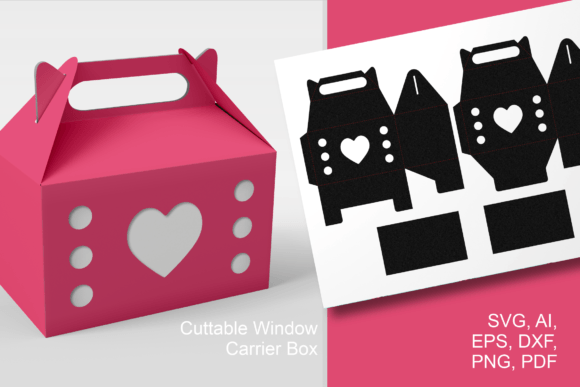
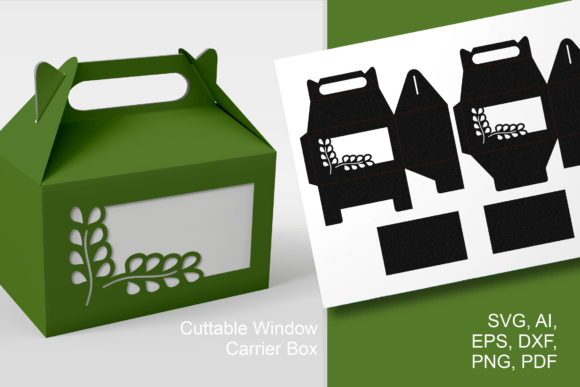
The core appeal of this template lies in its specific architectural details. Unlike generic favor boxes, this carrier-style design features decorative see-through windows positioned strategically at the corners. This allows the product inside—whether it be dried herbs, loose-leaf tea, candies, or party favors—to become an integral part of the packaging aesthetic. In the context of packaging design, this is a game-changer. It reduces the need for excessive external printing because the product itself provides the color and texture. For a designer, this means we can focus our creative energy on the branding elements like logos, tags, and seals rather than trying to illustrate the contents on the box surface.
Evaluating Structural Integrity and Visual Mood
As a professional working with 3D SVG files, I always assess how well a digital template translates into a physical object. The Shapes utilized in this gable box are clean and logical, suggesting that the vector paths are well-optimized for cutting machines like Cricut or Silhouette. The "gable" style implies a sturdy handle structure, which is essential for a carrier-style favor box intended to be held and transported by customers. The visual mood created by the herb corner window motif is inherently organic and inviting. It speaks to transparency—both literal and metaphorical—which is a powerful psychological trigger in small business branding. Consumers today want to see what they are buying, and this template facilitates that connection immediately.
In terms of style representation, this asset fits seamlessly into projects targeting the wellness, culinary, and boutique gift sectors. It feels less like a mass-produced item and more like a curated printable design meant for high-end presentation. When I imagine this in a real-world scenario, such as a wedding favor station or a holiday gift set for a local bakery, the template elevates the perceived value of the contents. It transforms a simple bag of cookies or a sachet of lavender into a thoughtful, designed experience.
Integration Across Design Disciplines
While the primary function of the Herb Corner Window Gable Box Template is physical packaging, its utility extends far beyond the folding lines. In my workflow, I often extract elements from such templates to create cohesive marketing visuals. The distinctive window shape can be isolated and used as a frame for social media graphics, creating a consistent visual language between the physical product and the digital storefront. For instance, an Instagram post showcasing the new tea blend could use the window silhouette as a mask for the product photography, reinforcing brand recognition.
This asset is also highly adaptable for various commercial design applications. If you are a digital seller on Etsy or a print-on-demand provider, this template serves as an excellent base for a design bundle. You can offer variations with different label placements or pair it with matching sticker design elements. For editorial design or blog visuals, the 3D render of this box can serve as a compelling hero graphic to illustrate articles about sustainable packaging or DIY gift ideas. Even in web design, the clean lines of the vector art can be simplified into icons that represent "gifts" or "organic products" without losing the essence of the original design.
However, versatility requires caution. This template shines brightest in large layout areas, product mockups, and themed collections where its structural details can be appreciated. It acts as a strong decorative accent in campaign visuals. Conversely, there are scenarios where this asset should be used carefully. In very small sizes, such as a favicon or a tiny thumbnail on a mobile device, the intricate details of the corner windows and the gable folds may lose definition, resulting in a muddy appearance. Similarly, in crowded layouts or low-contrast designs, the delicate lines might get lost against complex backgrounds. It is not ideally suited for minimalist corporate materials that require stark, ultra-clean visual hierarchy, as the ornamental nature of the windows adds a layer of visual noise that might clash with severe modernism.
Impact on Brand Hierarchy and Professionalism
The inclusion of the Herb Corner Window Gable Box Template in a project significantly affects readability and hierarchy. Because the window reveals the product, the text on the box must be strategic. There is less surface area for copy, which forces the designer to prioritize essential information: the brand name and the product type. This constraint often leads to stronger, more impactful logo design and typography choices. The emotional appeal is heightened; the transparency suggests honesty and quality, fostering visual trust with the audience. When a customer sees the actual herbs or candies through the window, the engagement is immediate and sensory.
From a professionalism standpoint, using a dedicated SVG design like this signals that the brand cares about the unboxing experience. It moves the project away from looking like a generic craft attempt and towards a polished commercial product. The overall impression is one of care and attention to detail, which is crucial for handmade business owners trying to compete with larger retailers.
Practical Designer Notes and Pre-Flight Checks
Before committing this asset to a real client project, there are several practical steps I recommend taking to ensure flawless execution:
- Test in Monochrome: Always preview the Herb Corner Window Gable Box Template in black and white first. This ensures that the structural lines hold up without relying on color to define the shape, which is vital for cost-effective single-color printing or embossing.
- Contrast Verification: Check how the design performs on both light and dark cardstock. The window cutouts rely on the contrast between the box material and the product inside; ensure your chosen paper weight doesn't obscure the view.
- Scale Testing: Preview the file at both small (favor size) and large (gift basket) scales. Ensure the corner windows do not compromise the structural integrity of the box when scaled down too far.
- Mockup Integration: Place the design on real product mockups before finalizing. Seeing the 3D form in a realistic lighting environment helps identify potential shadow issues or fold conflicts.
- File Inspection: Thoroughly review the file formats. If you are receiving a PNG design alongside the vector, check the transparency channels to ensure no stray pixels remain around the cut lines. For the 3D SVG, inspect the nodes to confirm they are editable and free of unnecessary points that could cause cutting errors.
- Typography Pairing: Compare the box structure with various font styles. A script font might complement the organic "herb" theme, while a bold sans serif could provide a modern contrast. Avoid display fonts that are too heavy, as they may overwhelm the delicate window frames.
- Licensing Confirmation: Finally, and most importantly, confirm the commercial license terms. Ensure that the creative marketplace or vendor allows for unlimited client projects and physical product sales, especially if you are a content creator or publisher distributing this as part of a larger kit.
In conclusion, the Herb Corner Window Gable Box Template is a robust and versatile tool in the modern designer's arsenal. It successfully merges the aesthetic charm of traditional paper crafts with the precision of digital vector art. Whether you are crafting a Cricut project for a weekend market or developing a comprehensive brand identity for a new product launch, this asset offers the structural foundation needed to create something truly memorable. By understanding its strengths in transparency and its limitations in minimalism, designers can leverage this template to deliver exceptional results that resonate with clients and consumers alike.